| (Last Update 2009/04/08) | |
|
| INTERNATIONAL TRAINING ON SEISMOLOGY AND EARTHQUAKE ENGINEERING |
| (Last Update 2009/04/08) | |
|
| Outline of IISEE |
|
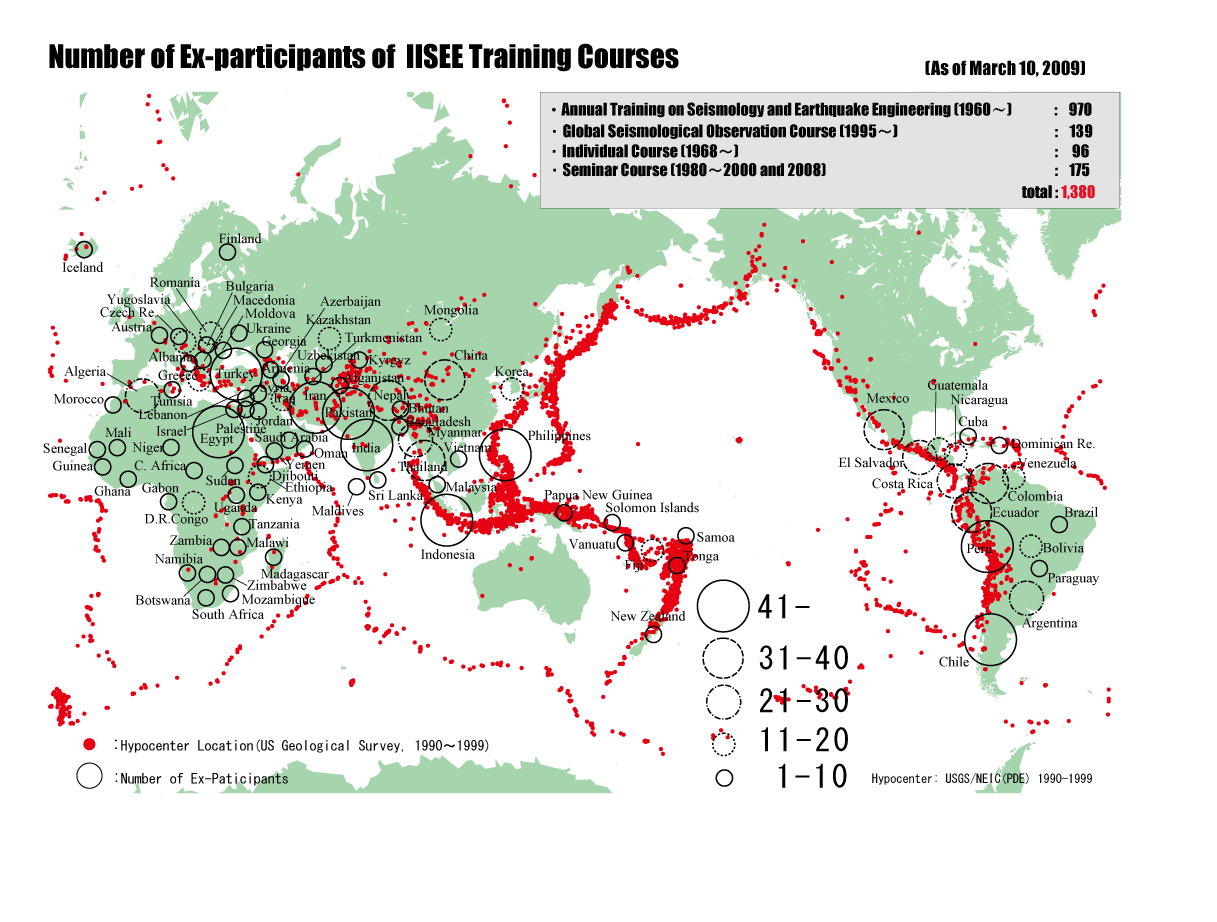
The International Institute of Seismology and Earthquake Engineering (IISEE), at the Building Research Institute (BRI), was originally established in January 1962 as an organization dedicated to training to researchers and engineers in developing countries and to carrying out researchers to contribute to earthquake disaster mitigation. Currently, IISEE carries out training courses with the Japan International Cooperation Agency (JICA) and offers following three training programs. A total of 1,380 participants from 96 countries and region have completed the training courses, and these courses have received high praises in Japan and around the world. The IISEE-net (information network of earthquake disaster prevention technologies for buildings), which is accessible via the IISEE website, is effectively used by participants for their follow-up studies. |
|
||||||||||||||||||||||||||||||||||||||||||||||||||||||||||||||||||||||
| Annual Training on Seismology and Earthquake Engineering |
|
Seismology Course and Earthquake Engineering Course |
|
Participants
at the Second World Conference on Earthquake Engineering in Tokyo in 1960 discussed and confirmed
the need for training of young researchers in other countries in seismology and
earthquake engineering. As a result, the first courses were given at University of Tokyo in the same year. The
results of courses were widely acclaimed by the international community. Therefore,
the Japanese Government established the International Institute of Seismology and
Earthquake Engineering (IISEE) in BRI to provide the training courses continuously. The second courses were
given in the following year at Waseda University, and the IISEE took
over the latter half of the course. |
 |
 |
|
|
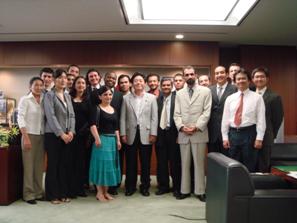
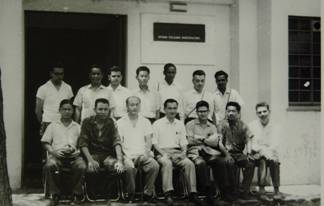
The 2nd Annual Training courses on Seismology and Earthquake Engineering Participants (1961- 1962) |
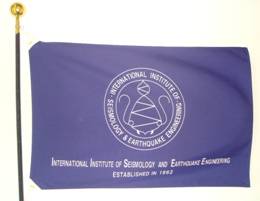
IISEE Flag |
|
Tsunami Disaster Mitigation Course |
 |
|||||||||||||||||||||
|
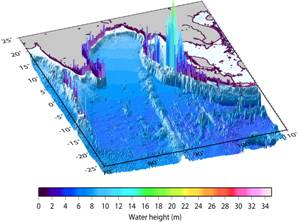
Gigantic tsunami generated by a major earthquake offSumatra in 2004 wreaked havoc in the coastal areas of the Indian Ocean. In response, the Tsunami Disaster Mitigation Course was established in October 2006 to provide advanced education in earthquakes and tsunami, with the aim of training tsunami specialists who can apply and diffuse their acquired knowledge and techniques in tsunami disaster mitigation in their home countries. |
||||||||||||||||||||||
|
Height of tsunami along the coastlines devastated following the earthquake off Sumatra in 2004 (simulation result) |
||||||||||||||||||||||
|
Master’s Degree |
||||||||||||||||||||||
|
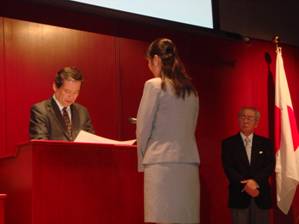
Since October 2005, a part of the training course in partnership with the National Graduate Institute for Policy Studies (GRIPS) was certified as GRIPS’s lecture course. Today, each trainee can get ‘Master of Disaster Mitigation’ certified by GRIPS and BRI if he/she acquires required credits. On September 2006, 19 participants became the first graduates under new system. With diplomas, participants secure their complete background as specialists in seismology and earthquake engineering back in their home countries. |
 |
|||||||||||||||||||||
| Awarding of master’s degree by Chief Executive of BRI (GRIPS, 2006) |
||||||||||||||||||||||
Number
of participants awarded Master’s degree
|
||||||||||||||||||||||
|
Support of UNESCO |
||||||||||||||||||||||
| In cooperation with UNESCO, the Japanese Government offered annual training courses from 1963 to 1972. Since 1972, the Japanese Government has continued to offer these courses independently. UNESCO sent experts to IISEE from 1985 to 1995. The outcome of these courses were reappraised later, and UNESCO dispatches experts again in 2007. |  |
|||||||||||||||||||||
|
Logo, whose use is granted by UNESCO |
|
|
|||
|
Courtesy visit to Minister of Land, |
Visit by President of JICA to |
|||
|
|
|||
|
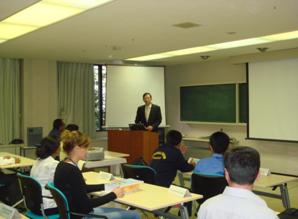
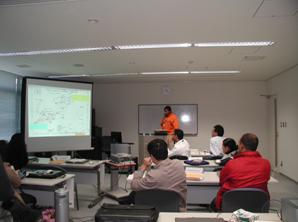
Lecture at the training course (2006) |
Participants’ presentation (2005) |
| Global Seismological Observation Course |
|
The
international community is making efforts to put the Comprehensive Nuclear Test
Ban Treaty (CTBT) into effect and to provide the International Monitoring
System (IMS) to verify compliance with the CTBT. Seismological observation
technology plays an important role in the IMS, because it can be used to detect
nuclear explosions. At a request of the Ministry of Foreign Affairs, IISEE
started a training course on global seismological observation in 1995. This
course is part of Japan’s contribution to
nuclear disarmament and is organized with the Japan Metrological Agency and
JICA. |
| Individual Course |
|
IISEE
accepts individual researchers from developing countries as part of our
technical cooperation on earthquake damage mitigation. Under the Individual
Course, subjects are selected that need urgent attention in each trainee’s
country or that are up-to-the-minute and essential. Individual training
programs are prepared to match the needs of each participant and are provided
under the guidance of IISEE staff and
lecturers from universities, research institutes, and private companies. |
|
|
|||
|
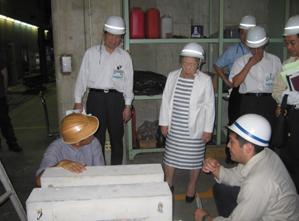
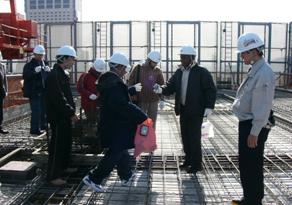
Visit to a construction site (Sapporo, 2005) |
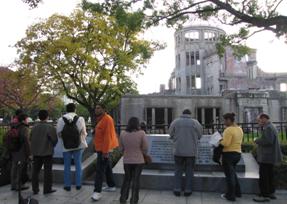
Study trip (Hiroshima, 2005) |
| Outline of Training Courses |
|
||||||||||||||||||||||||||||||||||||||||||||||||||||||||||||||
|
Note: In addition, 175 participants completed the Seminar Course (conducted
from 1980 to 2000 and 2008). |
 |
独立行政法人 建築研究所, BUILDING RESEARCH INSTITUTE
(c) 2002 BRI All Rights Reserved